

Every budget gear list on the internet seems to point at the same backpack. The TETON Sports Scout 55L shows up in 'best cheap backpack' roundups, in Reddit threads, in YouTube comments, and in the carts of a lot of first-time backpackers. I understand why. I also think those lists skip the parts that only show up after you have worn the thing for a season. This is the review I wish someone had written before I bought mine, with the good, the mediocre, and the honest tradeoffs.
I am Tessa Marlow, a retired middle-school science teacher in Bellingham, Washington. I hike the Chuckanut trails close to home a couple of times a week and take longer trips into the North Cascades a few times a year. I have an old left-knee injury from college volleyball, which means I care a lot about how a pack transfers weight to my hips instead of my joints. My sister Jen joins me on weekends, and I hike alone on weekdays. This is the pack I have been reaching for on both kinds of trips, and here is what I have learned about it.
The Quick Verdict
A capable budget pack that earns its reputation for weekend trips, as long as you accept the extra weight and the one-size-fits-most frame.
Amazon Check Today's Price →See why the Scout 55L earned 7,326 reviews
The Scout 55L is the backpack behind all those reviews, and after a year of use I understand why. Check today's price and see if it fits your back.
Amazon Check Today's Price on Amazon →How I've Used It
I have carried the Scout 55L on roughly twenty trips over the past year. That includes day hikes where I packed extra layers and a stove, overnight trips in the North Cascades where I carried a tent, a sleeping bag, and food for two days, and one soggy weekend on the Olympic Peninsula where it rained from trailhead to trailhead. The pack has been rained on, dropped on granite, stuffed into the back of my Subaru Outback, and left in the trunk overnight. It still looks like a pack that is a year old, which is to say it shows honest wear and nothing broken.
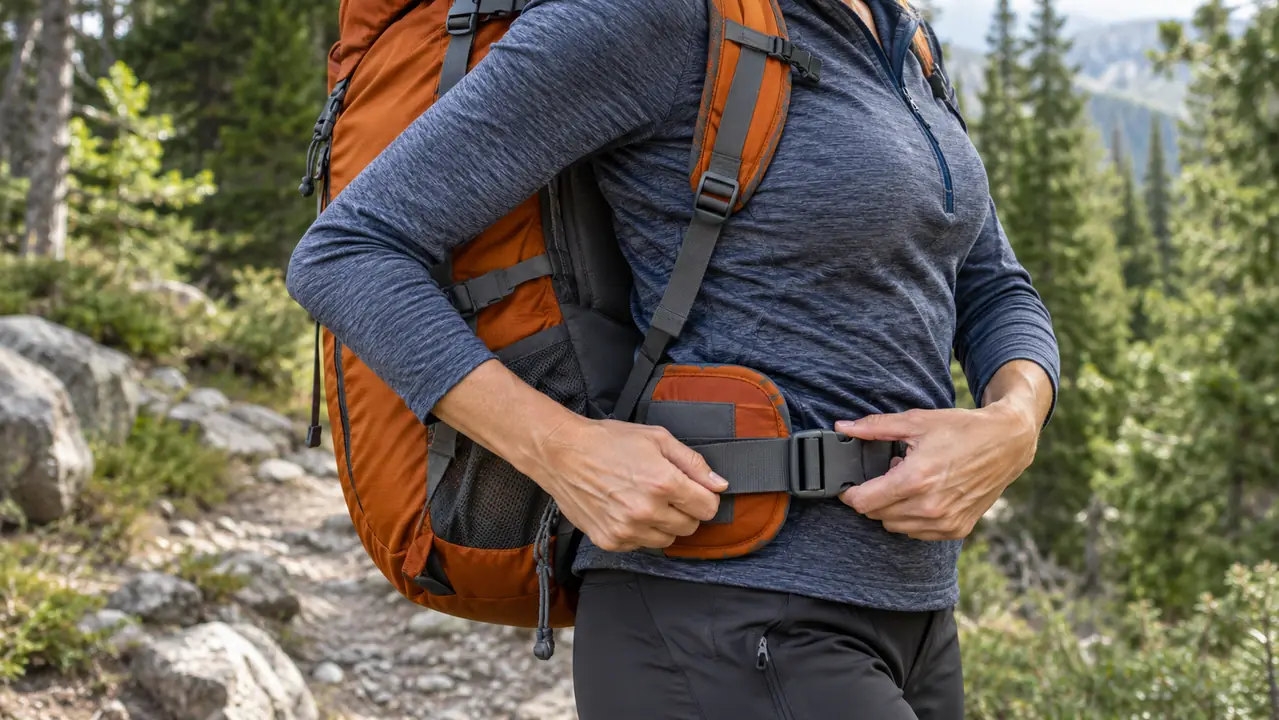
My knee injury is the reason I test packs the way I do. I load a pack to roughly twenty-five pounds, tighten the hip belt first, and then walk the steepest section of the Chuckanut trails I can find. If a pack lets the weight settle on my shoulders, I feel it in my left knee within a mile. The Scout does not do that. The frame and the hip belt work together well enough that the load rides on my hips, which is the whole point of an internal frame pack. That is the first thing I tell people about it.
I also handed it to Jen on a few weekend hikes. She is taller than me and has a longer torso, and the Scout fit her fine with the shoulder straps adjusted. That is worth knowing: this is a one-size frame with a lot of adjustment range, not a pack with multiple torso sizes. It fits a wide range of bodies reasonably well. It does not fit any single body perfectly, and I will come back to that.
What the Hype Gets Right
The hype is not empty. The Scout 55L does several things better than packs that cost twice as much. The hip belt is the first thing you notice. It is thick, padded, and wraps around your hips instead of just sitting on top of them. For someone with a cranky knee, that padding is not a luxury. It is the difference between a comfortable weekend and a weekend spent favoring one leg.
The rain cover is the second thing, and it is the one nobody mentions. Most packs in this price range sell the rain cover separately. TETON Sports includes one, and it fits over the loaded pack without a fight. I have used it in real Pacific Northwest rain, the kind that starts as a drizzle and becomes a downpour before you can find a tree. My gear stayed dry. That alone is worth a paragraph in any honest review.
The third thing is the fabric. The Scout is made of a heavy, no-nonsense material that shrugs off brush and granite. It is not the featherweight fabric on a premium pack. It is tougher, and for weekend trips that means you stop worrying about your pack and start thinking about the trail. There is a tradeoff, and I will get to it, but the durability is real.
What Nobody Tells You About the Fit
Here is what the roundups leave out. The Scout is a one-size-fits-most pack, and that is both its strength and its limitation. The torso is not adjustable the way it is on a premium pack. You set the shoulder straps, tighten the load lifters, and adjust the sternum strap, and that is the whole fit system. For most people it works. For people with very short or very long torsos, or for hikers who need a custom fit for a back injury, it will never feel quite right.
The load lifters matter more on this pack than on packs with a more forgiving frame. If you leave them loose, the pack leans back and pulls on your shoulders, and you will blame the pack. If you tighten them so the top of the pack sits snug against your upper back, the weight transfers where it should. I explain this to friends the way I used to explain lab procedures to eighth graders: the equipment is fine, but you have to set it up correctly. Once I figured that out, the Scout felt like a different pack.
The other thing nobody tells you is that the pack is heavy on its own. I have not weighed mine on a scale, but I can feel the difference when I lift it empty. TETON Sports built this pack to be tough, and toughness costs ounces. If you are the kind of hiker who weighs every item and trims the tags off your gear, this is not your pack. If you are the kind of hiker who wants one pack that will survive a decade of weekend trips, the weight is a fair trade.
The Fabric and the Frame Over Time
After a year of use, the frame still holds its shape. The internal stays have not bent, the hip belt padding has not flattened, and the stitching has not pulled anywhere. I checked the stress points, the spots where the shoulder straps meet the pack and where the hip belt attaches, because that is where cheap packs fail. The Scout shows no signs of failing there. That is the strongest thing I can say about any gear: it has survived the boring, unglamorous use that actually breaks things.
The zippers are the weakest part of the pack. They work fine, and they have not broken, but they are not the smooth, silky zippers on premium packs. They catch occasionally if you are in a hurry, and the main compartment zipper needs a little patience when the pack is stuffed full. It is a minor annoyance, not a defect. I mention it because an honest review should tell you what is merely okay, not just what is good.
The shoulder straps deserve a mention too. They are padded well enough for a twenty-five-pound load, which is what most weekend trips will put in a 55-liter pack. When I pushed the pack to a heavier load for a longer trip, the straps did their job, but I noticed the padding more. That is normal for a pack in this class. The straps are comfortable, not luxurious, and that distinction matters if you plan to carry the Scout for a full week.
I checked the stress points, the spots where the shoulder straps meet the pack and where the hip belt attaches. The Scout shows no signs of failing there.
Packing the Scout and Living With It
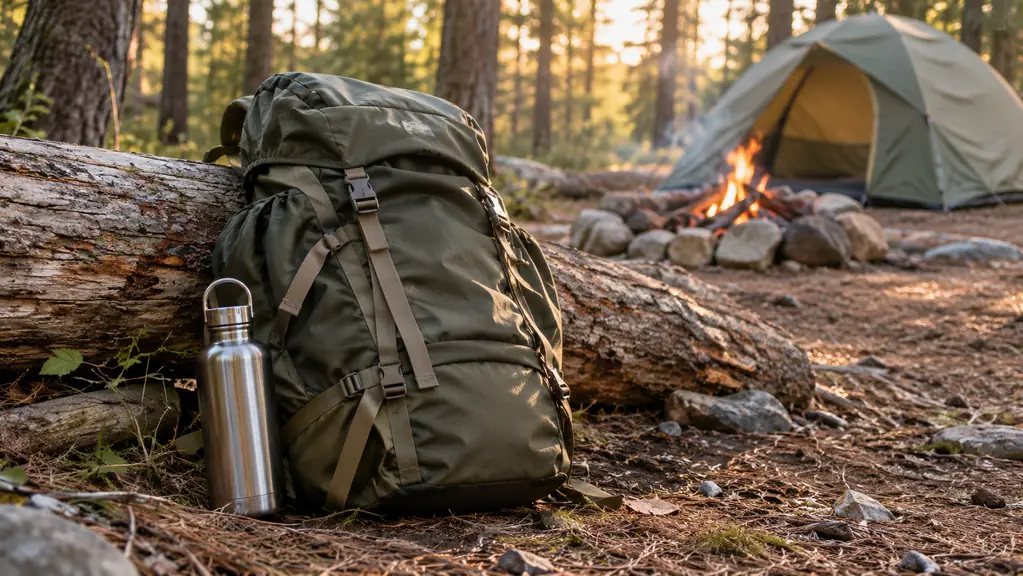
The organization is simple, and simple is fine for a pack this size. The main compartment opens wide, which makes packing easier than I expected. There is a sleeping bag compartment at the bottom with a divider, and I use it the way it is meant to be used: sleeping bag at the bottom, tent and food above. The divider takes a little fiddling when the pack is full, but it keeps the bag from sliding around.
The front pocket is a big, stretchy stuff-it pocket where I keep a rain jacket and a map. The side pockets hold water bottles, and I can reach them without taking the pack off, which matters more the older I get. The hip belt pockets are small. They fit a phone and a lip balm, but not much else. That is the kind of detail that only shows up after you live with a pack, and it is worth knowing before you buy.
Because the Scout is a 55-liter pack, it sits right in the sweet spot for a two-night trip. I pack a two-person tent, a twenty-degree sleeping bag, a sleeping pad, a small stove, food for three days, and a change of clothes, and everything fits with room to spare. The wide opening means I can pack the way I like, heavy items close to my back, without wrestling the bag through a narrow throat. That sounds like a small thing until you have packed a dozen trips with a pack that fights you.
The compression straps on the sides do their job. I use them to cinch the pack down when I am carrying less, which keeps the load from shifting as I walk. On the trail, a pack that shifts is a pack that hurts, and the Scout stays put. I also like that the top lid has a pocket for small items. I keep my keys, a headlamp, and a small first-aid kit there, and I can reach them without opening the main compartment.
What the Scout Is Not
Here is the part of the review that does not fit on a product page. The Scout is not an ultralight pack, and it is not a luxury pack. It is a working pack, the kind you buy when you want dependable gear at a reasonable price and you plan to use it hard. There is a whole category of hikers who should buy something else, and pretending otherwise would be doing you a disservice. The Scout is honest about what it is, and this review is trying to be honest too.
If you are the kind of hiker who reads gear reviews for fun, you already know the names I am not going to dwell on. Packs from Osprey and Gregory cost more and offer more adjustability, lighter fabrics, and a fit system that can be tuned to your exact torso. I have carried packs like that, and they are excellent. The Scout does not compete with them on paper. It competes with them on value, and for a lot of hikers, value is the more honest way to compare.
If I could change one thing about the Scout, it would be the weight. I would happily give up a little of the tough fabric to save a pound, because I feel that pound on the climb out of the North Cascades. TETON Sports made a deliberate choice here: durability over lightness. For the hiker this pack is built for, that is probably the right choice. I just want to be honest that it is a choice, not a free win.
The second thing I would change is the hip belt pockets. They are just barely big enough for a modern phone, and if you carry anything else in them, the zippers strain. A slightly larger pocket would make the pack noticeably easier to live with. These are small complaints. They do not change my overall take, but they are the difference between a review that reads like a brochure and one that reads like the truth.
What I Liked
- Thick, padded hip belt that genuinely transfers load to your hips
- Rain cover included, and it fits over a loaded pack
- Tough fabric that handles brush, granite, and real rain
- Wide main opening makes packing easier than most packs this size
- Frame, stitching, and padding all hold up after a year of use
- Fair price for what you get, with no hidden extras to buy
Where It Falls Short
- Heavier than premium packs, and you feel it on long climbs
- One-size frame fits most people well but not everyone perfectly
- Zippers are serviceable but not smooth
- Hip belt pockets are too small for much beyond a phone
- No real torso adjustment for hikers who need a custom fit
Who This Is For
Buy the Scout 55L if you are a first-time backpacker, a weekend hiker, or someone who wants one pack that will do everything from a long day hike to a three-night trip without draining your savings. Buy it if you are on a budget and you want a pack that will survive being treated like gear instead of like a museum piece. Buy it if you, like me, need a pack that puts the weight on your hips and keeps it there. TETON Sports has been making no-frills outdoor gear for years, and the Scout is a good example of what that means.
Who Should Skip It
Skip the Scout if you count ounces, if you are planning a thru-hike where every pound multiplies over a thousand miles, or if you have a torso length that needs a pack with real size options. Skip it if you want the silky zippers, the featherweight fabric, and the custom fit of a premium pack. Those packs cost more, and for some hikers they are worth it. The Scout is not trying to be that pack, and pretending it is would be the dishonest part of an honest review.
The verdict after a year: it earns its place in your trunk
If the Scout 55L sounds like the kind of pack you would actually use, check today's price on Amazon. If it sounds wrong for you, the sections above tell you exactly why, and that honesty is worth more than a smooth sales pitch.
Amazon Check Today's Price on Amazon →