
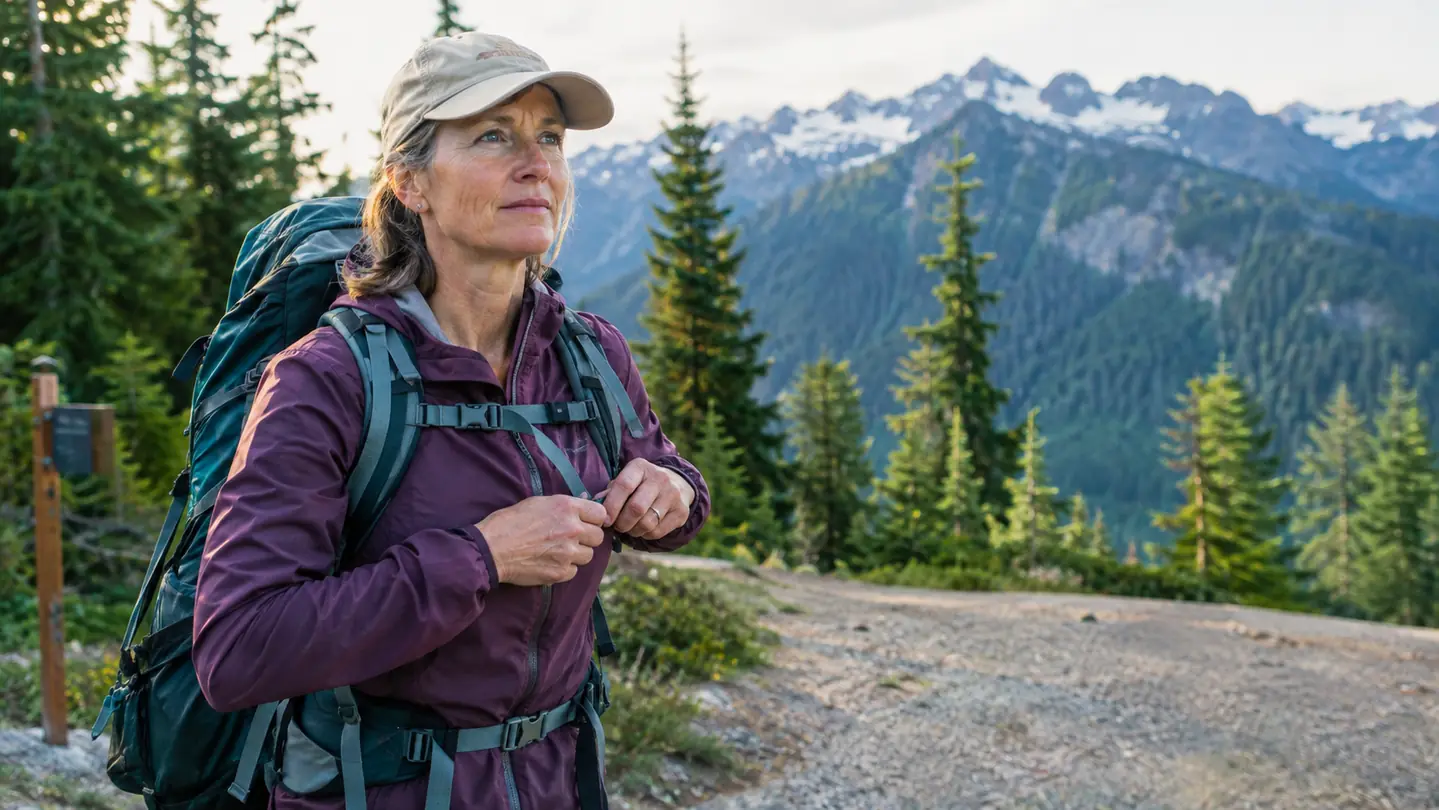
If you are shopping for a first backpacking pack, you have probably narrowed it down to the TETON Sports Scout 55L and the Osprey Rook 50L. I understand why. They are the same shape, the same general price range, and both have the features a weekend trip needs. I spent a season testing both on the Chuckanut trails near Bellingham and on longer trips into the North Cascades, and the honest answer is that one fits most hikers better, while the other fits a specific kind of hiker better. Here is the short version before I get into the details.
The TETON Sports Scout 55L is the better pack for most people who are new to backpacking, anyone who wants a rain cover included, and anyone whose torso length falls in the middle of the size range. The Osprey Rook 50L wins for hikers who need a more adjustable fit, who want Osprey's All Mighty Guarantee, or who carry heavier loads on rougher trails. I own the TETON Sports Scout and I use it most weekends, but I want to be clear about where the Rook is genuinely better, because that is the part of this comparison most reviews skip.
TETON Scout 55L vs Osprey Rook 50L at a Glance
| TETON Scout 55L | Osprey Rook 50L | |
|---|---|---|
| Capacity | 55 liters, roomy enough for a 3-season weekend kit plus a bear canister | 50 liters, slightly tighter but fine for a minimalist weekend kit |
| Fit adjustment | Fixed torso in two sizes, simple and stable once the right size is on | Adjustable torso, easy to dial in and share between hikers of different heights |
| Load transfer | Stiff frame and padded hip belt carry 35 to 40 pounds without sagging | Comfortable up to about 30 pounds, then the harness starts to feel overloaded |
| Rain cover | Included and stored in a bottom pocket | Not included, sold separately |
| Warranty | Limited lifetime warranty, solid for the price | All Mighty Guarantee, covers any damage for any reason, forever |
| Weight | About 4.5 pounds, noticeable but reasonable for the price | About 3.5 pounds, easier on the shoulders at the end of a long day |
| Best for | New backpackers, weekend trips, hikers who want one box ticked at a fair price | Hikers who change torso sizes, want a lighter pack, or plan to grow into the sport |
Where the TETON Scout 55L Wins
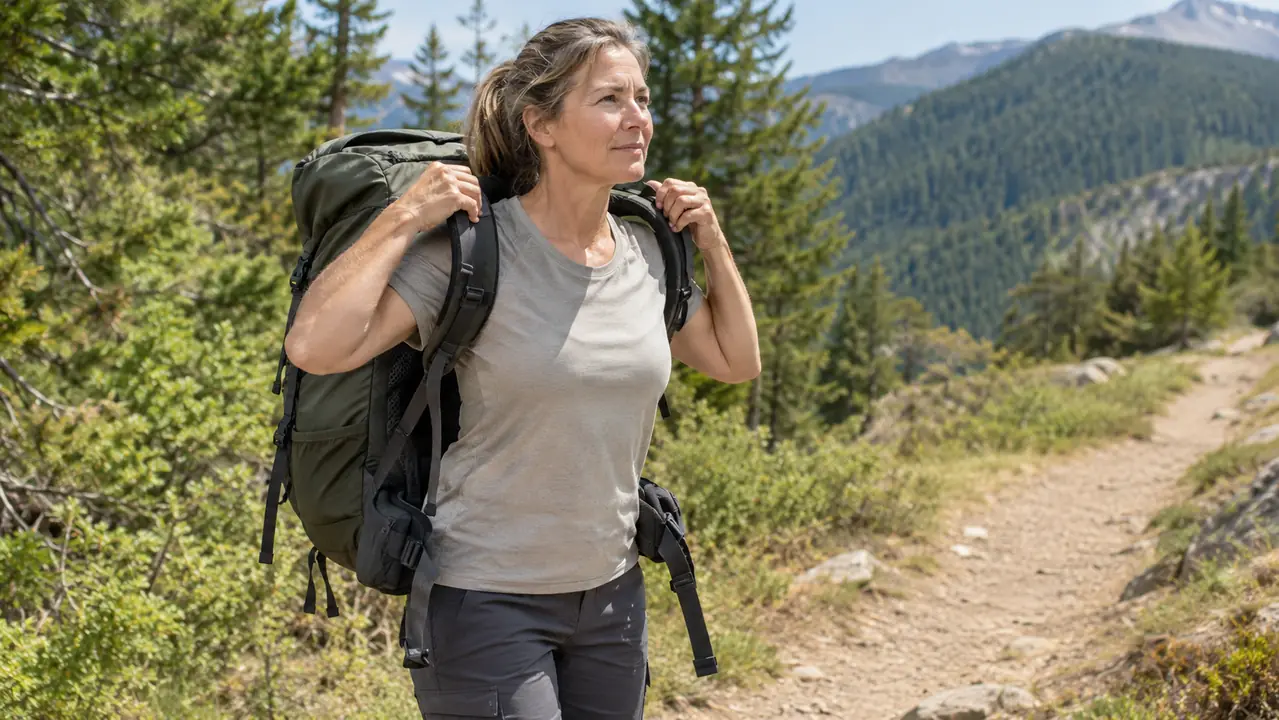
The Scout wins on capacity, load transfer, and the simple matter of what arrives in the box. At 55 liters, it gives you five more liters than the Rook, and that extra space matters more than people expect. My standard weekend kit, which includes a two-person tent, a 20-degree quilt, a stove, food for two nights, and a 2.5-liter water bladder, fills the Scout without any of the strap-down-the-outside gymnastics I used to do with a smaller pack. The first time I packed it for a three-day trip in late June, I laid everything out on the living room floor the way I always do: tent, quilt, stove, food bag, water bladder, and a small ditty bag with a headlamp and a first aid kit. I slid the tent in vertically, dropped the quilt into the bottom sleeping bag pocket, and set the food bag on top with room left for my rain jacket. I actually laughed out loud, because I had never packed a full weekend kit without playing Tetris. On a trip last September, I added a borrowed bear canister for a backcountry site in the North Cascades, and it fit inside the main compartment with room left over for my puffy jacket. With the Rook, I would have been strapping the canister to the top and rebalancing the whole load.
The load transfer is where the TETON really surprised me. The internal frame is stiff, the hip belt is thick and padded, and the harness puts the weight where it belongs, on your hips rather than your shoulders. I have an old left-knee injury from college volleyball, so I pay close attention to how a pack shifts weight. On a 9-mile round trip to a lake in the Cascades with about 32 pounds in the pack, the Scout felt stable from the first switchback to the last. My knee complained far less than it does with packs that let the load swing. The TETON also includes a rain cover, which the Rook does not. That is an item you would otherwise have to buy separately, and on a wet Pacific Northwest weekend it is the difference between a dry sleeping bag and a miserable night.
Where the Osprey Rook 50L Wins
I am going to be honest with you, because this is the part of the comparison that matters if you are the kind of hiker the Rook is made for. The Osprey wins on fit adjustment, weight, and warranty. The Rook has an adjustable torso length, which means you can dial the harness to your exact back length instead of choosing between two fixed sizes. That is a genuine advantage for anyone between sizes, anyone who shares a pack with a partner, or anyone who is still growing into backpacking. My sister Jen tried the Rook on a weekend trip. We were standing at the trailhead for a 6-mile loop on Chuckanut Mountain one Saturday in May, and she had borrowed the pack for the day. She is 5-foot-4 with a short torso, and my medium Scout sat low on her hips no matter how hard she cranked the straps. She handed it back, tried the Rook, slid the harness up, and said 'that is better' before I had even finished tightening the sternum strap on my own pack. Two minutes, maybe less. She never touched the adjustment again all day. The Scout comes in two sizes, and if you pick the wrong one, you are stuck with it.
The Rook is also about a pound lighter, which does not sound like much until you are on mile eight of a climb. On the same 9-mile loop I hiked in both packs, the difference showed up in my shoulders by the final mile: with the Scout I was rolling my shoulders and shifting the straps, and with the Rook I simply did not think about the pack at all. That is the quietest kind of compliment a pack can earn. And the Osprey All Mighty Guarantee is the best warranty in the outdoor industry: they repair or replace any pack, for any reason, forever. If you are the kind of person who wants to buy one pack and never think about it again, that guarantee is worth real money. The TETON has a limited lifetime warranty, which is good, but it does not cover the way Osprey covers. For a hiker who wants a lighter pack, needs a custom fit, or values the guarantee above all else, the Rook is the better buy.
If you want a roomy, stable pack that is ready for the trail the day it arrives, the TETON Scout 55L is the one.
Fifty-five liters, a stiff frame, a padded hip belt, and a rain cover in the box. Most weekend hikers never need to shop for anything else.
Amazon Check Today's Price on Amazon →
Fit, Comfort, and the Details That Matter
Fit is the thing that separates a pack you love from a pack you tolerate. The TETON Scout comes in two torso sizes, and the size range covers most adults, but you need to measure your torso before you buy. I am 5-foot-7 with a 17-inch torso, and the medium fits me well. The way I checked my own fit was the way I tell every friend to check theirs: put the pack on, loosen everything, then cinch the hip belt so it sits on the top of your hip bones. The shoulder straps should wrap over your shoulders without a gap, and the load lifter straps should angle back at about 45 degrees. On the medium Scout, mine met all three checks on the first try. When I tried the small, the hip belt rode up onto my waist and the shoulder straps pulled at my neck. That is the risk with a fixed-size pack, and it is why measuring matters more than the size chart suggests. My sister Jen is 5-foot-4 with a shorter torso, and the same pack sits a little low on her, which is why she prefers the Rook's adjustable harness. If you are between sizes, or if you plan to share the pack, the Rook is the safer choice. If you are solidly in the middle of a size range, the Scout's fixed fit is simple and stable, and there is less to fiddle with on the trail.
The shoulder straps on the Scout are padded and comfortable, and the sternum strap has a whistle buckle, which is a small touch I appreciate. The hip belt has two zippered pockets, one on each side, which are perfect for a phone, lip balm, and a snack. The Rook has one hip belt pocket on the left, and I found myself wishing for a second one on long days. The Scout also has a sleeping bag compartment with an internal divider, a hydration sleeve, and multiple lash points for trekking poles or a sleeping pad. The Rook has a sleeping bag compartment too, but the Scout's extra liter of space in the main compartment makes it easier to pack for a three-day trip without playing Tetris.
The Scout carried 32 pounds on a 9-mile North Cascades hike and stayed stable through every switchback. That is the test that matters for a pack this size.
How I Tested Both Packs
I tested both packs over a full season, from late spring to early fall, on the Chuckanut trails close to home and on longer trips into the North Cascades. I loaded each pack with the same kit: a two-person tent, a 20-degree quilt, a stove, food for two nights, a 2.5-liter water bladder, and a change of clothes. That worked out to about 28 pounds at the trailhead, and I added extra water on a few trips to push the load to 32 or 33 pounds. I hiked the same routes in both packs, including a 9-mile round trip with 2,100 feet of elevation gain, and I took notes on how each pack felt at mile one, mile four, and mile eight. I kept a small notebook in the car and wrote one line after each hike: how the pack felt at the start, how it felt at the end, and whether I had stopped to adjust anything. After eight trips in each pack, the pattern was clear. The Scout needed no mid-hike fiddling once it was loaded correctly. The Rook needed one or two small tweaks on hot days when I loosened the straps and could not get them back to the same spot.
I also tested the packs in the rain, because this is Washington and it rains. The TETON's included rain cover kept my gear dry through a steady afternoon drizzle, and the cover stores in a dedicated pocket at the bottom of the pack. The most thorough rainy test happened on a Thursday in early October on the Oyster Dome trail, where the forecast called for showers and delivered a steady drizzle for the whole 5-mile climb. I had the Scout loaded with my full overnight kit and the rain cover snapped over it from the trailhead. At the top, under the trees, I opened the main compartment and my quilt was dry, my spare shirt was dry, even the map in the side pocket was dry. The cover had done its job for four straight hours. The week before, with the Rook and a generic cover, a gust of wind had flipped the cover up and the back panel of the pack got soaked. The Rook does not include a cover, so I used a generic one I already owned. That is not a knock on the Rook, it is just a fact of the purchase: you need to budget for a cover if you hike in wet weather. I also tested how each pack handled a bear canister, since they are required in parts of the North Cascades. The Scout fit a standard canister upright in the main compartment. The Rook took it only diagonally, which ate into usable space.
Who Should Buy Which
Buy the TETON Scout 55L if you are new to backpacking, if you want a roomy pack that handles a heavier load without complaint, or if you want a rain cover included so you can hit the trail without buying anything else. It is also the better choice if you are on a budget, because you get more capacity, a stiffer frame, and a rain cover for a lower price than the Rook. The Scout is the pack I reach for most weekends, and it is the one I would recommend to a friend who is just starting out.
Buy the Osprey Rook 50L if you are between torso sizes, if you want to share a pack with someone of a different height, if you want to save a pound on your back, or if the Osprey All Mighty Guarantee is worth real money to you. The Rook is the better pack for hikers who plan to grow into the sport, who want a lighter load on long days, or who simply prefer Osprey's warranty and resale value. It is a genuinely good pack, and I do not want this comparison to sound like a dismissal of it.
For most weekend hikers, the TETON Scout 55L is the smarter buy.
More capacity, a stable load, and a rain cover included. Check today's price on Amazon and see if it is the right fit for your next trip.
Amazon Check Today's Price on Amazon →