
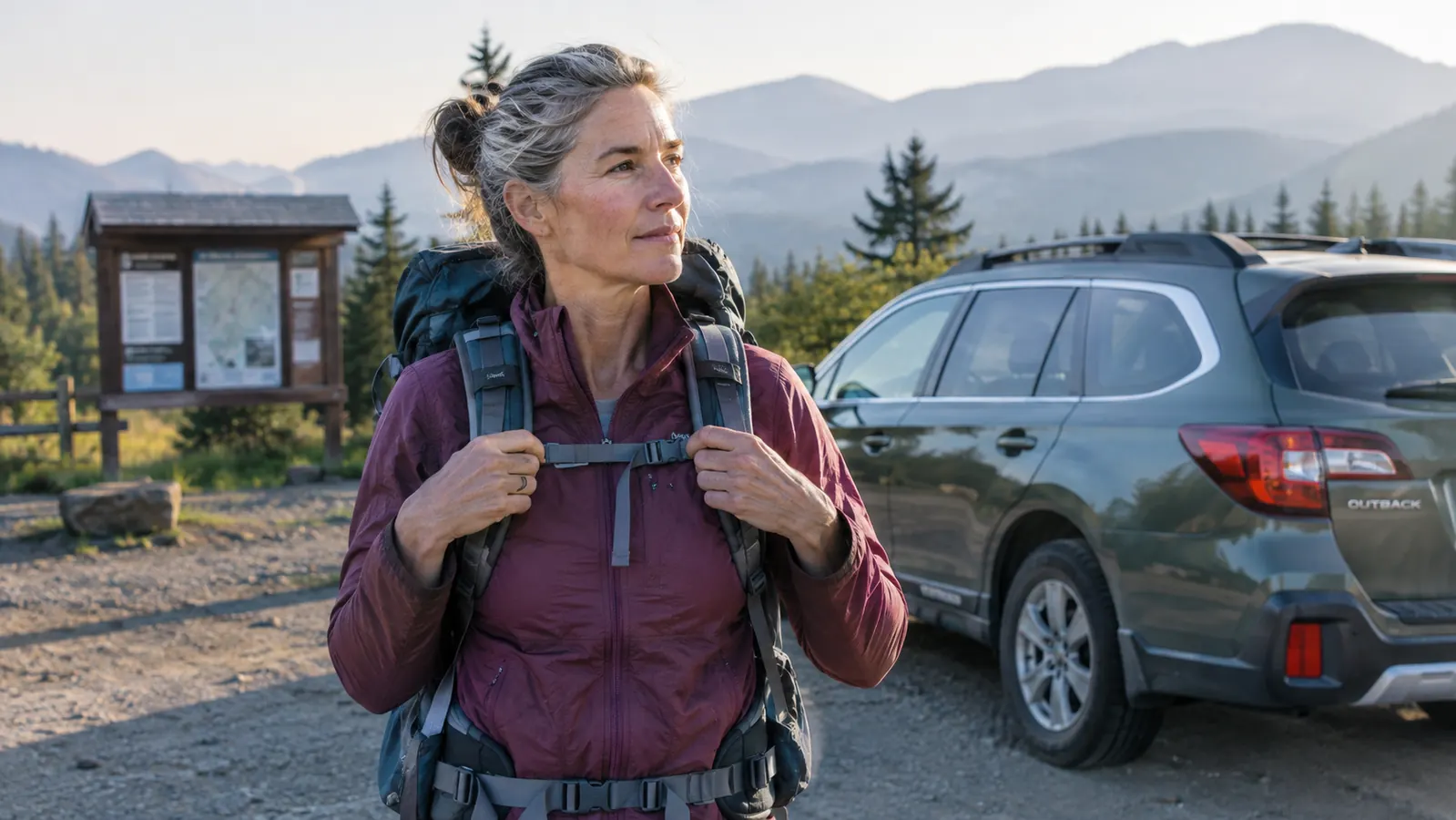
Every spring I watch the same thing happen at the trailhead. A family piles out of the car with a daypack for a three-night trip, or someone shows up with a suitcase-style duffel they plan to carry on their back. By mile three they are miserable. I have been hiking out of Bellingham for thirty years, and I have learned that the pack matters more than almost anything else you carry. That is why, when my sister Jen and I started doing regular weekend trips in the North Cascades, I switched to the TETON Sports 55L Scout. It is not the fanciest pack I have owned. It is the one I reach for every time.
I tested this pack on a dozen weekend hikes over the last year, from the Chuckanut trails close to home to longer carries up near Rainy Pass. I loaded it with a tent, a sleeping bag, food for two nights, and my usual first-aid kit. I also spent a few weekday solo hikes adjusting the straps until the weight sat where it should, which matters to me because of an old left-knee injury from college volleyball. Here are the ten reasons this pack keeps earning its spot in my Subaru Outback.
The pack I reach for on every weekend trip
The TETON Sports 55L Scout carries a two-night load comfortably, includes a rain cover, and costs far less than I expected to pay for a pack that fits this well.
Amazon Check Today's Price on Amazon →It swallows a full weekend load without complaint
A weekend trip is its own category. You need more than a daypack can hold, but you do not want a full expedition pack either. The 55 liters of the Scout sit right in the sweet spot. I fit a two-person tent, a 20-degree sleeping bag, a stove, food for two nights, and my puffy jacket, with room left over for a book. The main compartment opens wide, so I am not wrestling gear through a narrow opening at the end of a long day. For a Friday-to-Sunday trip, I have never needed more space, and I have never wished I had brought less.
The internal frame actually transfers weight to your hips
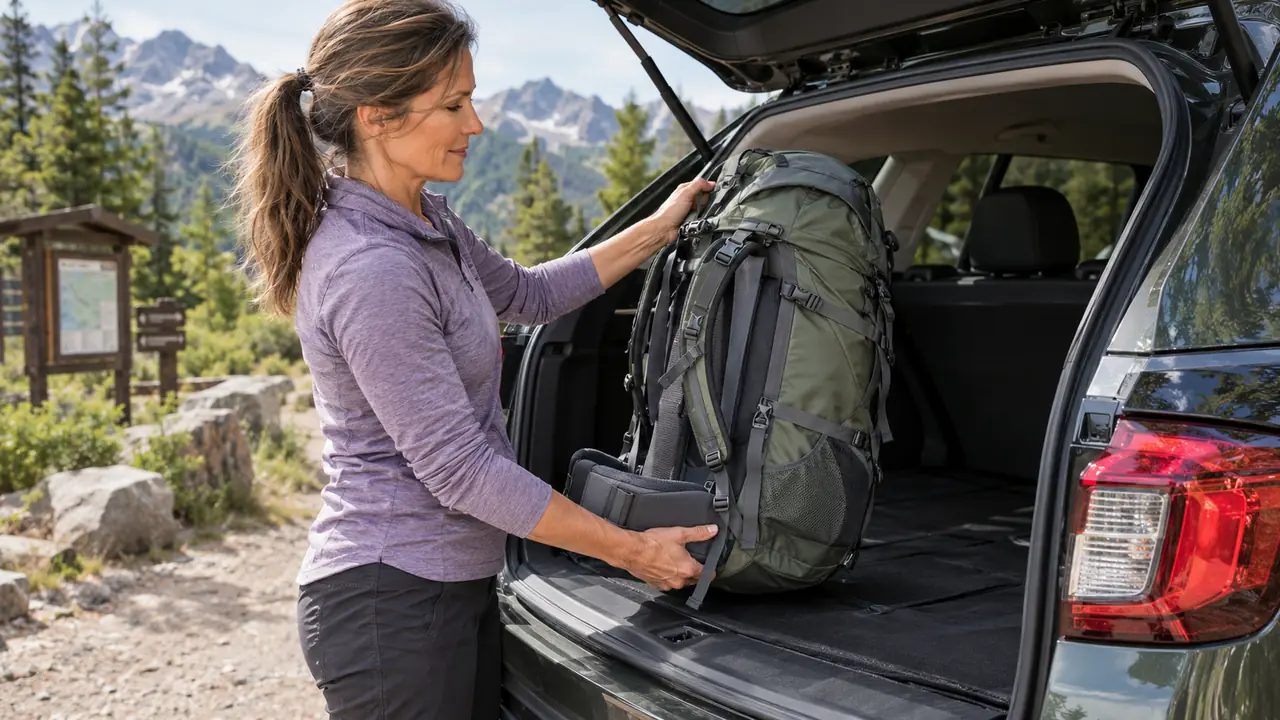
This is the reason I bought it. After my college volleyball days left me with a left knee that complains on downhills, I stopped carrying packs that let the weight fall on my shoulders. The TETON Sports Scout has an internal frame with a hip belt that does real work. When I adjust it properly, most of the load rides on my hips and my legs, not my back and knees. On a six-mile climb up a Chuckanut ridge, I noticed the difference within the first half hour. My shoulders stayed loose and my knee stayed quiet.
The hip belt pockets keep the essentials within reach
I am not someone who likes to stop and take my pack off every time I want lip balm or a snack. The Scout has a pocket on each side of the hip belt, and they are big enough for a phone, a granola bar, and a small tube of sunscreen. On a solo weekday hike, I can grab what I need without breaking stride. It sounds like a small thing, but it adds up over two days on the trail. I have used packs where the pockets were too small to be useful. These are not those pockets.
The rain cover is included, not a separate purchase
I live in Bellingham. Rain is not a possibility, it is a schedule. The Scout comes with a rain cover that stores in its own pocket at the bottom of the pack, and it pulls over the whole thing in about thirty seconds. I have been caught in more than one North Cascades downpour, and everything inside stayed dry. Some packs at this price treat the rain cover as an extra you buy later. Here, it is already in the bag. For anyone who hikes in the Pacific Northwest, that alone is worth a lot.
The frame fits my torso without a long fitting session
I am five foot six, and I have never had an easy time finding packs that fit. The Scout has an adjustable frame that I set in about ten minutes in my living room. The shoulder straps and hip belt adjusted to my height without a trip to a specialty shop. I have owned packs that required a salesperson and a measuring tape and a second opinion. This one I figured out on my own, which matters when you live an hour from the nearest big outdoor store.
It is comfortable enough for a 54-year-old with an old knee injury
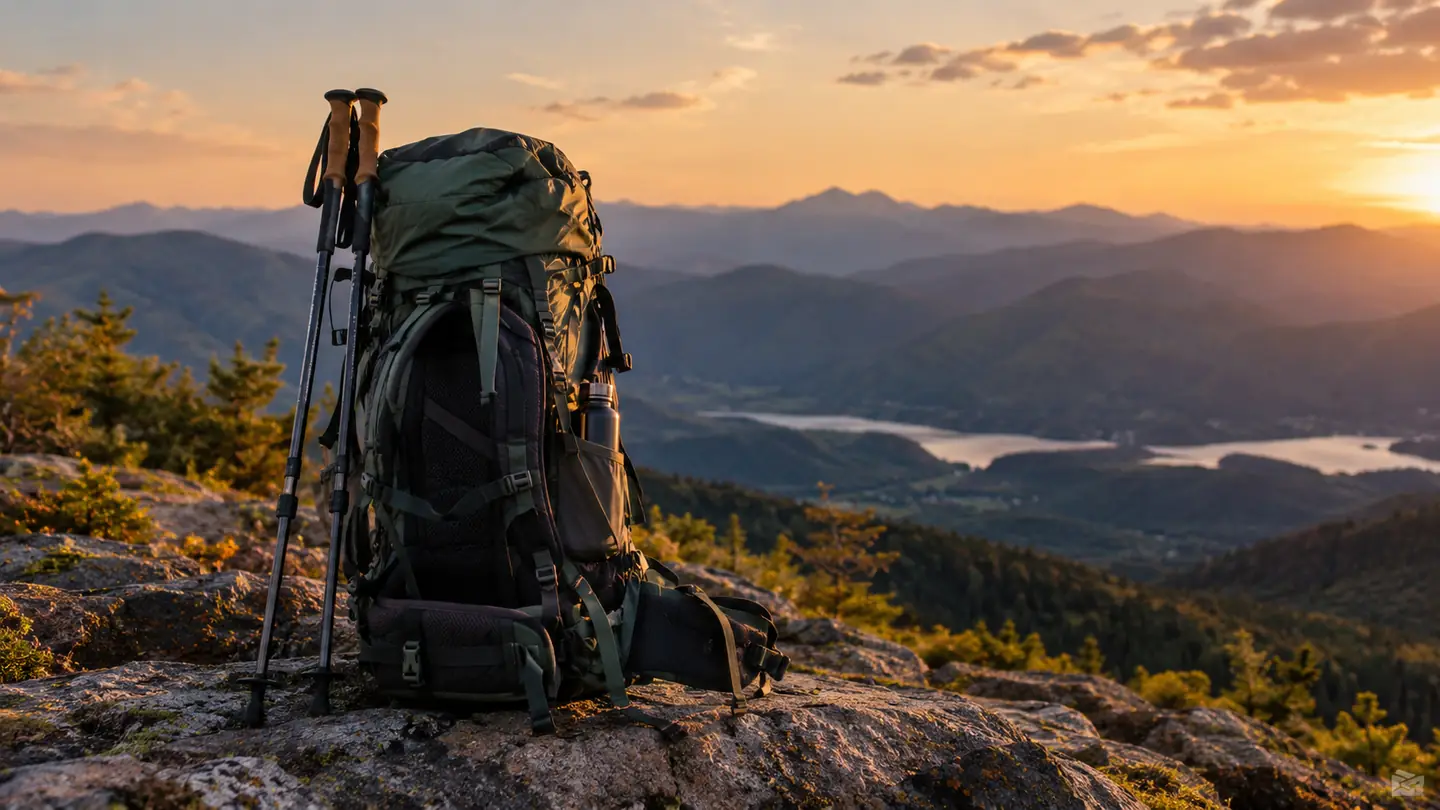
Let me be direct about this. I am not a twenty-something ultralight hiker. I am a retired teacher with a knee that reminds me of its history on every downhill. The Scout does not make the miles disappear, but it does not add to the ache. The padding on the shoulder straps and hip belt is thick enough that I do not feel the frame digging in, and the load transfer keeps the weight off the joints that complain. After a two-night trip, my back feels fine. That is the highest compliment I can give a pack.
The sleeping bag compartment makes packing and unpacking easy
The Scout has a separate zippered compartment at the bottom for a sleeping bag. I can pull my bag out at camp without unpacking everything else, and I can stuff it back in in the morning without repacking the whole pack. It sounds like a small convenience, but at the end of a long day, small conveniences are what keep you from dreading the work. I have used single-compartment packs where finding anything meant emptying everything. I will take the separate compartment every time.
It stands up to brush, rocks, and the back of my car
I am not careful with my gear. The Scout rides in the back of my Subaru Outback between trips, gets tossed onto rocky trailheads, and brushes against alder branches on narrow trails. After a year of weekend trips, it still looks like a pack that has been used, but nothing has broken, torn, or worn through. The zippers still run smooth and the stitching is holding. I have had cheaper packs fall apart after a season. This one feels like it is built to last through several more years of weekends.
The value is hard to beat without sacrificing comfort
I have tried packs that cost several times more than the Scout, and I have tried packs that cost less. The Scout sits in a sweet spot where you are paying for real features, not a logo. The internal frame, the hip belt, the rain cover, and the separate sleeping bag compartment are all things you would expect to pay more for. It is not the lightest pack on the market, and I would not take it on a thru-hike, but for a weekend trip it does everything I need without emptying my wallet.
It is the pack I grab when I only have one weekend
My sister Jen and I plan our weekend trips around our schedules, which means we do not get as many as we would like. When a free weekend arrives, I do not want to spend it fighting with my gear. The Scout is packed and ready by the front door, and it has been on every one of those trips with me. If you are looking for a pack that lets you spend your weekend on the trail instead of fussing with your equipment, this is the one I would recommend. It has earned its place in my car.
What I'd Skip
Here is the honest part. If you are planning a thru-hike or you need to carry a week of food and a bear canister, this is not the pack for you. The Scout is built for weekend trips, and the suspension, while good for the price, is not in the same class as packs that cost several times more. And if you are under about five foot two, the torso adjustment may not go small enough for you. Jen tried it once and found the shoulder straps sat wide on her frame. It fits me perfectly. It will not fit everyone, and that is okay.
After a two-night trip, my back feels fine. That is the highest compliment I can give a pack.
Ready to make your next weekend trip easier?
The TETON Sports 55L Scout has carried me through a year of weekend hikes in the North Cascades, and it still has plenty of trips left in it. Check today's price on Amazon and see if it is the right fit for your next adventure.
Amazon Check Today's Price on Amazon →