
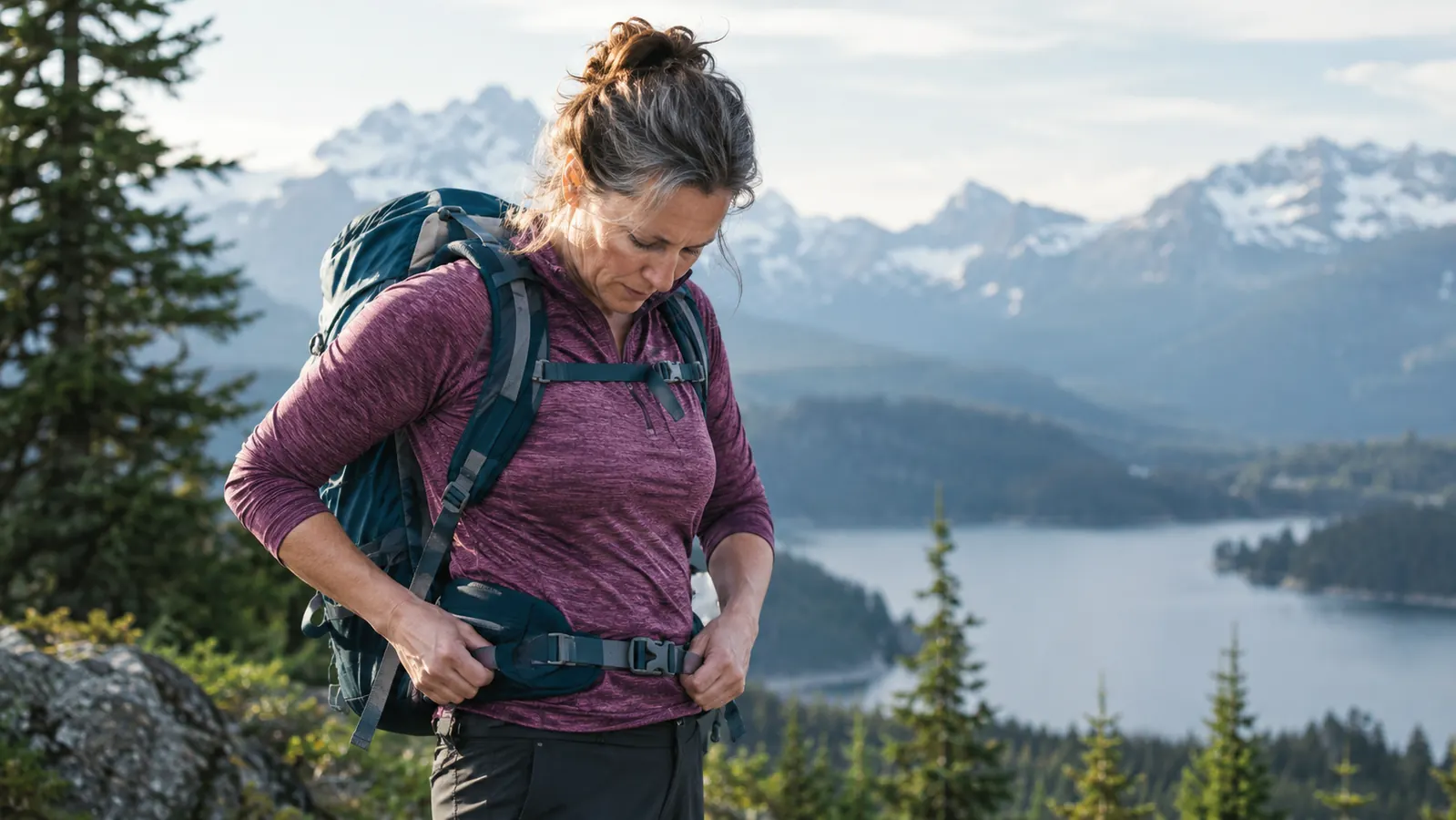
I will be honest: I bought the Maelstrom 40L because of the hype. It was hard to scroll through trail photos without seeing one, and the reviews all seemed to say the same three things: light, comfortable, and cheap. So I ordered one, loaded it with my usual day-hike kit, and spent a full season testing it on the North Cascades and the Chuckanut trails near my home in Bellingham, Washington. This is the review I wish I had read before I clicked buy, the one that tells you what the praise leaves out.
A quick note on who is writing this. I am Tessa Marlow, a retired middle-school science teacher, and I have an old left-knee injury from college volleyball. That matters because a backpack either helps my knee or makes it worse, depending on how well the harness transfers weight to my hips. I tested the Maelstrom on weekday solo hikes and on weekend trips with my younger sister Jen, in dry weather and in the kind of drizzle the Pacific Northwest does so well. I carried loads from a light 12 pounds to a full 25 pounds on an overnight trip, and I kept notes on every hike.
The Quick Verdict
A comfortable, well-built 40L pack that earned a permanent spot in my trunk, with a few honest flaws the marketing photos never show.
Amazon Check Today's Price →If you want a 40L pack that carries weight where it belongs, the Maelstrom deserves a hard look.
After a season of trail miles, this is the pack I reach for on solo weekdays and weekend trips with my sister. It treats my old knee better than packs that cost more. Check today's price on Amazon and decide if it fits your kit.
Amazon Check Today's Price on Amazon →How I've Used It
I did not take this pack out of the box, fill it once, and write a review from my kitchen table. I used it the way most people actually use a 40-liter pack, which is to say I used it for everything. On weekdays I hike alone on the Chuckanut trails, usually three to five hours with a light load: water, a puffy jacket, lunch, a first-aid kit, and a camera. On weekends my sister Jen and I head into the North Cascades for longer days, and twice I loaded the pack to the top for an overnight trip.
That mix matters because a pack can be great at one job and poor at another. A light daypack with a flimsy hip belt is fine for a water bottle and a sandwich, and miserable with 25 pounds on your back. A heavy expedition pack is overkill for a three-hour loop. The Maelstrom sits in the middle, so I paid attention to how it behaved at both ends of the load range.
I also paid attention to my knee. With an old volleyball injury, I notice within the first mile whether a pack is putting weight on my shoulders or my hips. Shoulder weight makes me hike stiff and favor my good leg. Hip weight lets me walk normally. That single test, more than any spec sheet, is how I judged this pack.
The rain test came on a gray October morning on the Fragrance Lake trail. The sky opened up about a mile in, and I stopped to put the cover on for the first time in real weather. It took me longer than I wanted, and I got my sleeves wet, but the pack contents stayed dry for the rest of the hike. That is the test that matters.
Why the Hip Belt Is the Whole Story
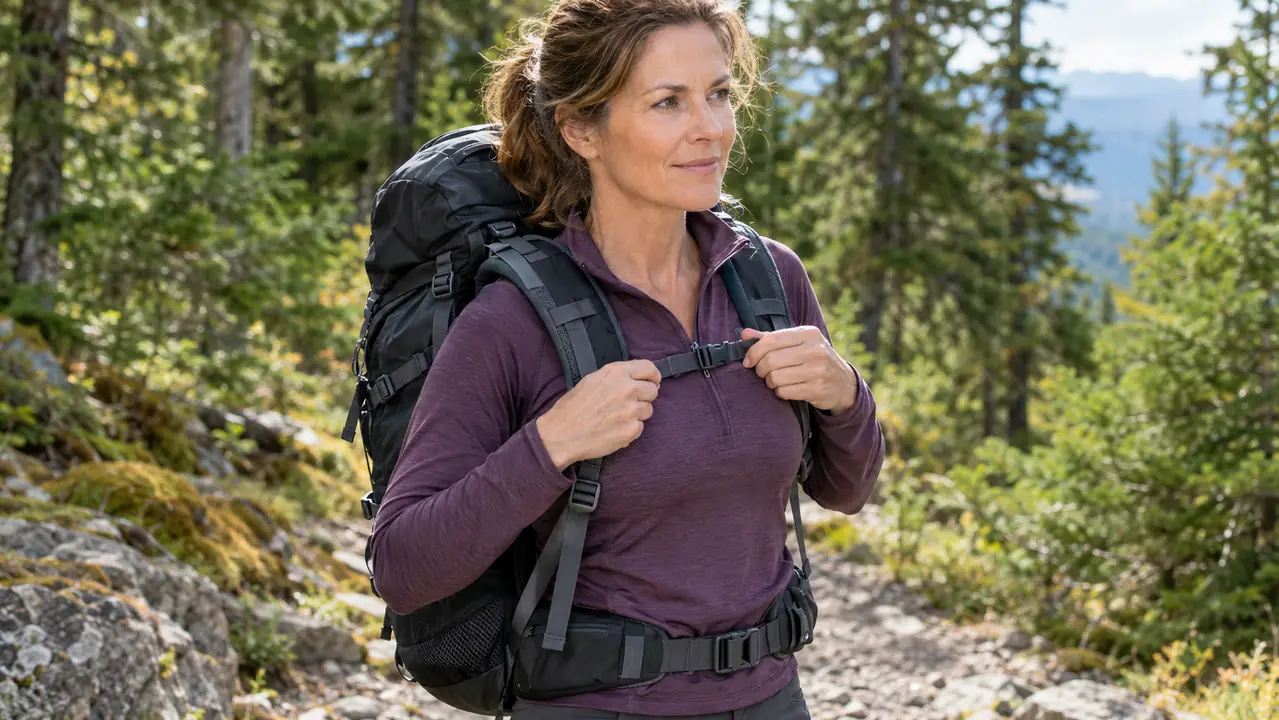
Here is the part of a backpack that matters more than the fabric, the zippers, or the logo: the harness. The Maelstrom's hip belt is well padded and wide enough to sit on my hip bones instead of my soft tissue, and it does the one thing a hip belt is supposed to do, which is keep the load sitting on your pelvis instead of hanging off your shoulders. When I tightened it correctly, I could feel the difference in the first few steps. My shoulders were free, my posture stayed tall, and my knee stopped being the first thing I thought about.
The science-teacher version: your hips are built to carry weight. Your shoulders are not. A pack that transfers most of its load to your hips is asking your skeleton to do what it is good at. A pack that lets the load sag onto your shoulders is asking your neck and upper back to do a job they will complain about by mile three. The Maelstrom's harness does the transfer well, especially once you learn to tighten the load lifters at the top of the shoulder straps.
The sternum strap is easy to adjust one-handed, and it stays where I put it. The load lifters are the small straps that angle from the top of the shoulder straps back to the pack, and they are worth adjusting every time you change your load. Get them right and the pack feels lighter; leave them loose and the weight drifts back onto your shoulders.
The back panel is padded mesh that keeps the pack off your spine and lets air move. On a warm June hike I still got a sweaty back, because everyone does, but it was noticeably less swampy than the cheap pack I used before this one.
What Nobody Tells You
Now the part the marketing photos skip. First, the fit runs snug. The torso range is narrower than I expected from the product page, and if you are on the tall side or have a long torso, you may find the shoulder straps sitting higher than you would like. I am five-foot-five, and the harness fit me well, but I would not recommend this pack to anyone over about six feet without trying it on first.
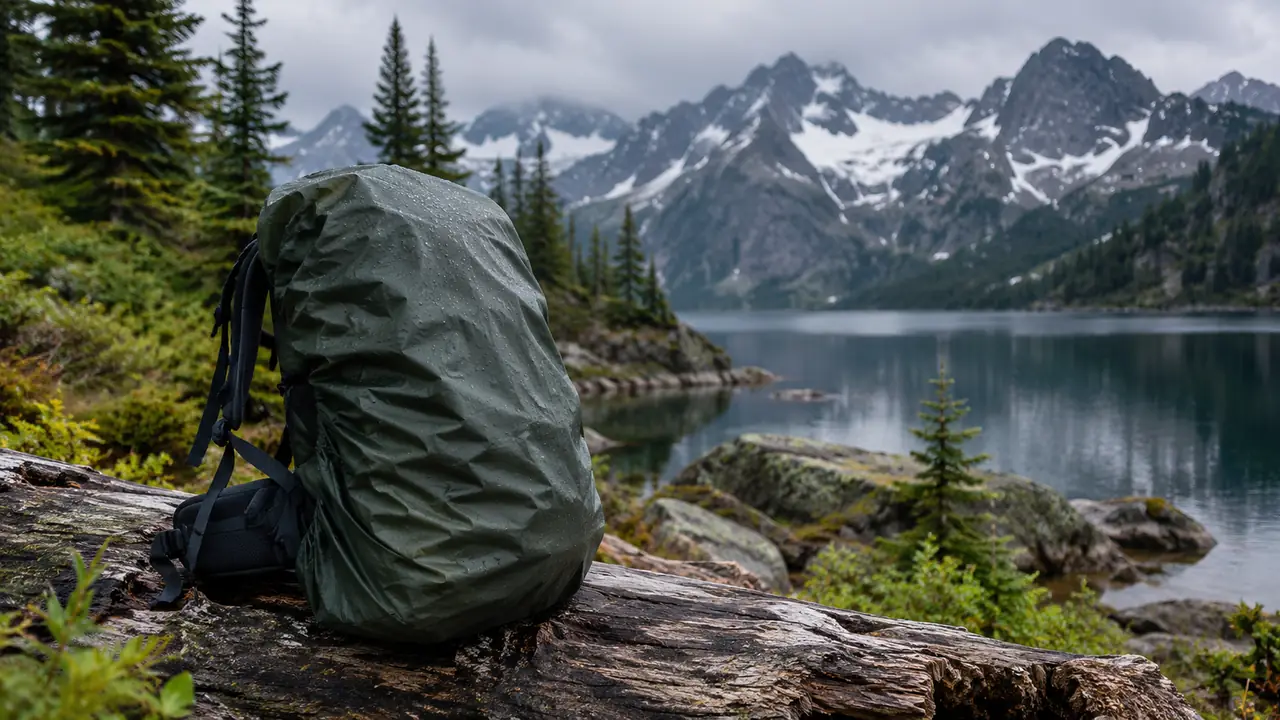
Second, the rain cover works, but it takes practice. It tucks away in its own pocket when not in use, which is the right place for it, but deploying it in a gusty wind with a loaded pack is a two-handed, slightly awkward dance. I got rained on twice before I could do it without muttering. Once it is on, though, it stays put, and it kept my gear dry through a full afternoon of Cascade drizzle.
Third, the hip belt pockets are small. My phone fits, barely, in a thin case, and a snack bar has to be tucked in beside it. If you carry a big phone in a thick case, plan on keeping it in the top pocket instead. This is a small complaint, but it is the kind of detail you notice on every single hike.
Fourth, the volume is honest only if you use the pack the way it is designed. The main compartment is generous, but the advertised 40 liters assumes you fill it to the top. Packed the way I actually pack, with my sleeping bag at the bottom and my puffy jacket stuffed into the gaps, I would call the usable space closer to 36 liters. That is not a flaw, it is just geometry, but it is worth knowing before you plan a trip.
Fifth, the fabric is light because the pack is light. The Maelstrom weighs a reasonable amount for its size, but lightweight fabric does not shrug off granite the way a heavier pack does. On a scramble where I brushed against a rock wall, the pack came away with a scuff. Nothing tore, and the stitching held, but this is a pack to treat with respect, not throw around.
Sixth, the top pocket is a good size and easy to reach, which is where I keep my phone, keys, and snacks. It is the first thing I open at the trailhead, and it has held up fine through a season of zipping and unzipping.
The Small Details That Matter
The side pockets are deep enough to hold a wide water bottle without spitting it out when you bend over. I have owned packs that launch a bottle into the dirt the first time you lean down to tie a shoe. The Maelstrom's pockets grip, and the compression straps sit out of the way when you reach for a bottle mid-hike.
There are attachment points for trekking poles, and they work, which is not nothing. I use poles on every hike because of my knee, and a pack that makes poles easy to stow is a pack I reach for. A small thing, but it is the kind of small thing you appreciate on mile six.
How It Held Up Over a Season
I kept a rough tally of my miles, and by the end of the season I had put somewhere north of 300 trail miles on this pack. The zippers still run smooth. The buckles still snap clean. The stitching on the shoulder straps, which is the first thing to go on a cheap pack, shows no signs of pulling. The mesh on the back panel has a few snags from brushing against tree branches, but nothing that affects how it carries.
The one thing that showed real wear was the elastic edge of the rain cover. After repeated deployments and a few windy days, the elastic has lost some of its grip. It still covers the pack and stays on, but I can see replacing the cover in a couple of years. That is a small cost compared to the pack itself, and it is the only part that has aged.
A season of trail dust and one spilled coffee later, the pack cleans up with a damp cloth. The fabric sheds dirt well, and the inside, which I lined with a trash bag on the overnight trip, wipes out easily. I am not careful with my gear, and this pack does not punish me for it.
I also learned what this pack is not. It is not a technical climbing pack, and I would not take it on a multi-day expedition with a bear canister, a stove, and a tent strapped everywhere. It is a day-hike and light-overnight pack, and within that job, it has held up better than I expected for the price.
Alternatives I Considered
I tested this pack alongside a couple of familiar names. The Gregory Zulu 40 is the one I hear about most often at trailheads, and it is a fine pack with a more adjustable harness and a better-ventilated back panel. It is also heavier and costs more. If you need a precise, custom fit, the Gregory is the safer choice. If you want a lighter, simpler pack that carries a weekend load comfortably, the Maelstrom gives you most of the same experience for less.
I also tried a no-name budget pack that shall remain anonymous, and it convinced me the Maelstrom is not just a cheap pack with a logo. The difference is in the details: the hip belt that actually stays put, the load lifters that do something, the rain cover that fits the pack instead of flapping. Those are the things you cannot see in a product photo, and they are the things that make a pack worth owning.
What I Liked
- Hip belt transfers weight to my hips, which my old knee injury appreciates
- Light enough for day hikes, roomy enough for a weekend
- Rain cover included, and it actually keeps gear dry
- Load lifters and sternum strap do real work
- Stitching and zippers held up through 300-plus trail miles
Where It Falls Short
- Torso fit runs snug; taller hikers should try it on first
- Rain cover is awkward to deploy in wind
- Hip belt pockets are too small for a big phone
- Lightweight fabric scuffs on rock
- Usable volume is closer to 36 liters packed the way I pack
On the steepest stretch of the Maple Pass loop, with 22 pounds on my back, I forgot my knee was the reason I bought this pack in the first place.
Who This Is For
Buy the Maelstrom 40L if you are a day hiker who wants room to grow, or a weekend backpacker who keeps your kit light. It is ideal for someone like me: a hiker who wants one pack that does weekday loops and the occasional overnight without owning a closet full of gear. It is also a strong choice if you are new to backpacking and want a pack that will not fight you while you learn how to pack it.
If you hike where the weather changes fast, the included rain cover is a genuine advantage. I have been caught in sudden Cascade showers more times than I can count, and having the cover already sized to the pack beats wrestling a generic poncho over your gear.
Who Should Skip It
Skip it if you have a long torso and a history of packs that sit wrong on your shoulders, because the fit range is the pack's weakest point. Skip it if you are planning a week-long expedition with a bear canister, a tent, and a stove, because you will want a heavier, more adjustable pack with a proper frame. And skip it if you are the kind of hiker who drags your pack over granite on purpose, because the lightweight fabric will show it.
I would also steer a very tall hiker toward something with a longer harness. The Maelstrom is built for the middle of the bell curve, and there is no shame in that, but the bell curve does not include everyone.
I have no reason to oversell this pack. It has flaws, and I have listed them. But after a season of carrying it, it is the pack I grab first when I head for the trailhead in my Subaru, and the one I hand to Jen when she forgets hers. For most day hikers and light overnighters, that is the whole review.
The honest bottom line: it earned its spot in my trunk.
If you want a 40L pack that carries weight where it belongs and has held up through a season of real trail miles, the Maelstrom belongs on your shortlist. Check today's price on Amazon and see if it fits your kit.
Amazon Check Today's Price on Amazon →