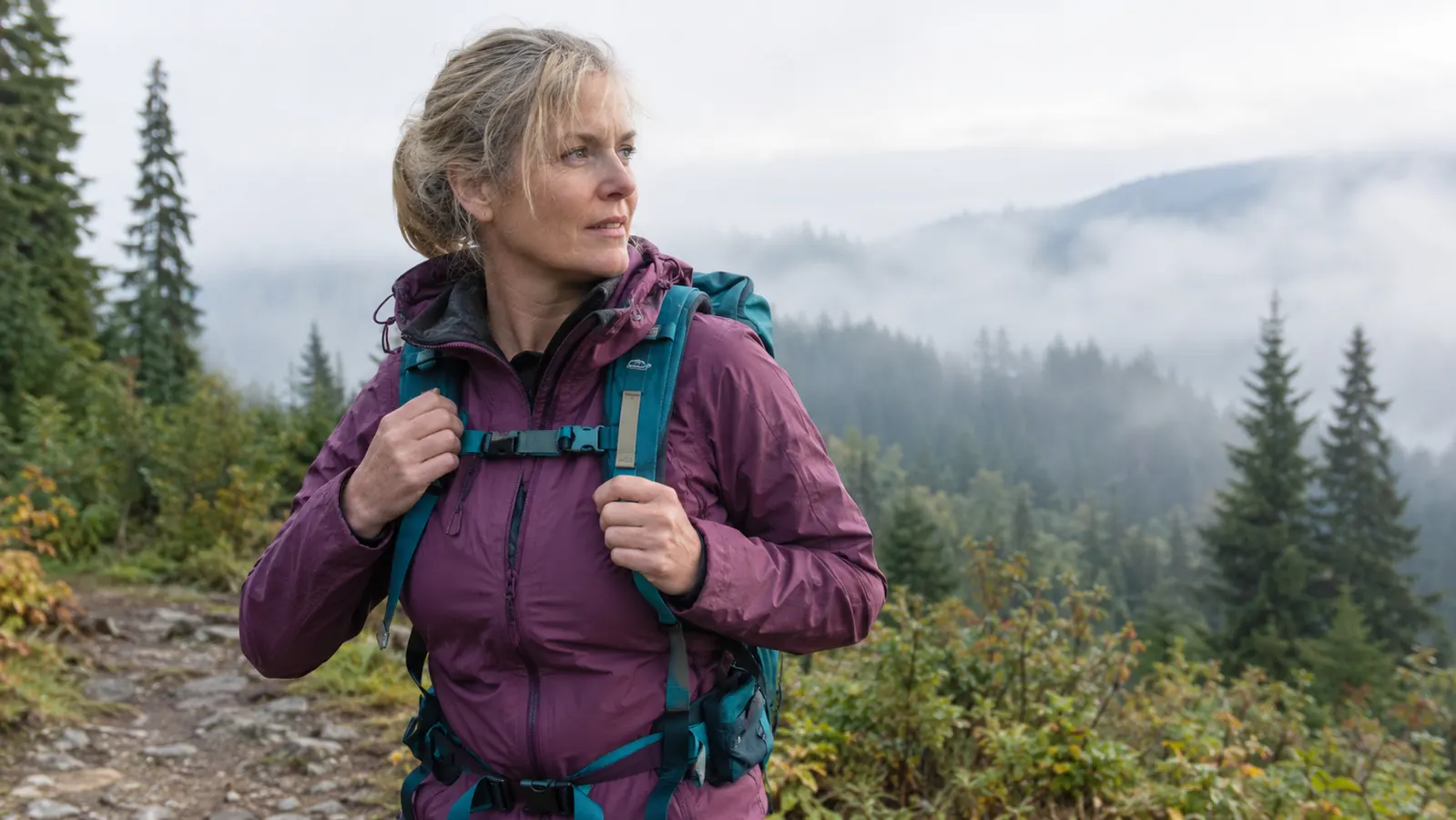
For years I carried a pack that was built for someone else. It had room for a week of gear and a frame that wanted a heavy load, which meant every two-mile hike felt like I was hauling supplies to a base camp. My left knee, which has been grumpy since college volleyball, let me know about it on every descent. When I finally switched to the SKYSPER lightweight daypack, the difference showed up in the first mile.
This list is the honest version of what I learned after taking the SKYSPER out on Chuckanut trails and into the North Cascades over a season. It is not a list of reasons to buy any pack. It is a list of reasons a lighter, simpler daypack makes sense for day hikes, and why this one in particular earned a spot in my Subaru.
The Pack That Made Me Rethink What I Carry
If you are still hauling a heavy pack on trails that only ask for a day's worth of gear, this is the one to look at first. It is light, simple, and sized for the hikes most of us actually do.
Amazon Check Today's Price on Amazon →Why I Switched to a Lighter Pack
My old pack came from a big-box store and it did what it was supposed to do, which was hold a lot. The problem was that I was carrying capacity I never used. Every water bottle, every spare layer, every just-in-case item added weight that my knee had to manage. Once I started reading about how much of a difference a lighter pack makes, I decided to test the idea myself. The SKYSPER was the pack I picked for that test.
A lighter load means a happier knee
Every pound on your back multiplies on a descent. With the SKYSPER, I shaved more than half the weight of my old pack before I put a single item inside. My knee noticed the difference on the downhill stretch of the Chuckanut Ridge Trail, and so did my pace. On the way back to the car I stopped thinking about my knee and started thinking about the view.
It holds everything a day hike needs
Twenty liters sounds small until you pack it well. I fit a fleece, a rain shell, two liters of water, lunch, a first aid kit, and my camera. The pack is sized to stop you from overpacking, which is its own kind of freedom. When I reach for something, I know exactly where it lives.
The hip belt actually transfers weight
My knee injury means I pay attention to where weight sits. The SKYSPER has a simple hip belt that puts the load on my hips instead of my shoulders. On a five-mile loop, that changes how I feel the next morning. It is not a fancy suspension system, but it does the job it is supposed to do.
Side pockets sit where your hand already falls
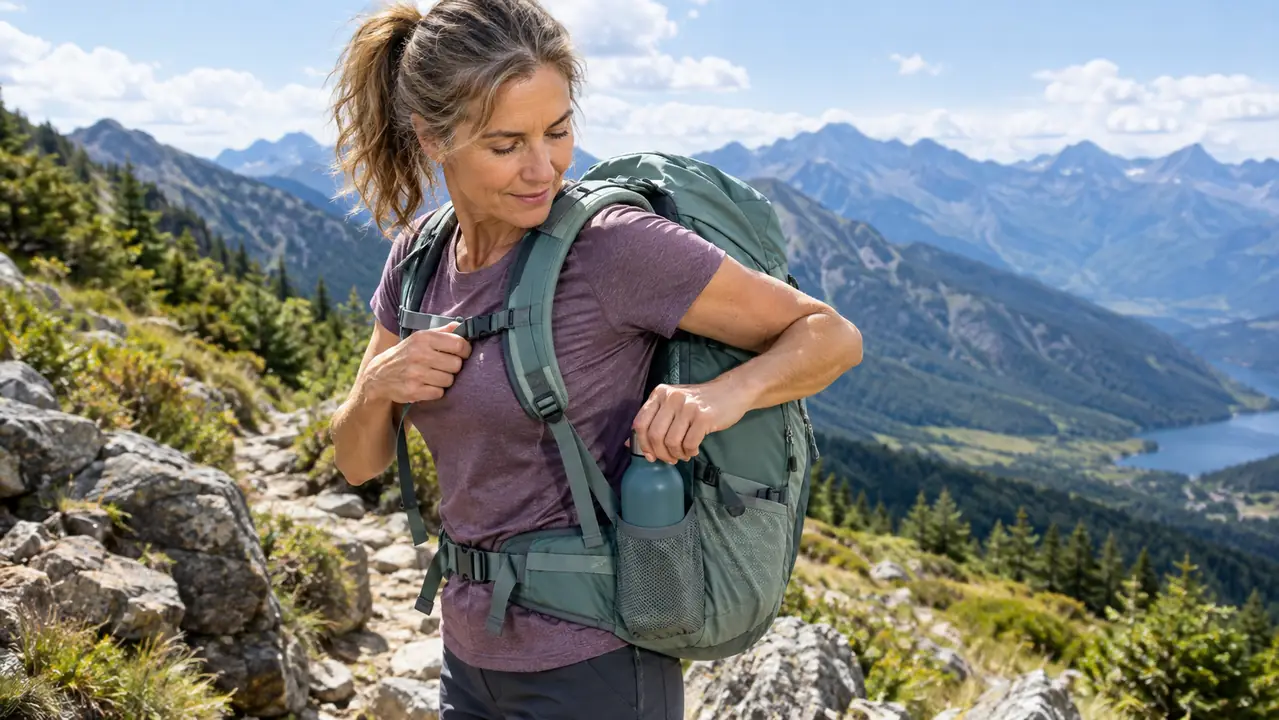
I am not flexible enough to twist around and dig in a top pocket while I am walking. The side pockets on the SKYSPER sit where my hand naturally lands, so I can grab a water bottle without stopping. That sounds like a small thing until you have done it on a hot climb.
The fabric shrugs off brush and drizzle
Pacific Northwest trails mean wet ferns, low branches, and light rain that never quite becomes a storm. The SKYSPER fabric has held up through a season of that without looking worn. I do not treat it like a fragile shell. I toss it in the back of my Subaru and it comes out ready for the next trailhead.
It compresses down when it is half full
A pack that keeps its shape when it is nearly empty makes you feel like you forgot something. The SKYSPER has compression straps that pull it tight against a smaller load, which keeps the weight close to my back. That matters more than it sounds, because a pack that hugs you moves with you instead of swaying.
A simple frame is easier to live with
My old pack had a frame and suspension that added weight and complexity. The SKYSPER keeps the structure basic, which means fewer things to rattle, catch, or break. For day hikes, I would rather have a pack that is quiet and dependable than one with features I have to think about.
It fits my body instead of making me fit it
My torso is not long, and the SKYSPER comes in a size that does not ride up or sag. The straps adjust without a fight. My sister Jen tried it on one weekend and had it fitted in under a minute, which is the highest praise either of us can give a pack.
It is priced like a tool, not a status symbol
You do not need fancy branding to carry a spare layer and a sandwich. The SKYSPER sits at a price that makes sense for what it is, and it does the job without pretending to be something it is not. For a first daypack or a second one, that is the right value.
It makes me more likely to actually go
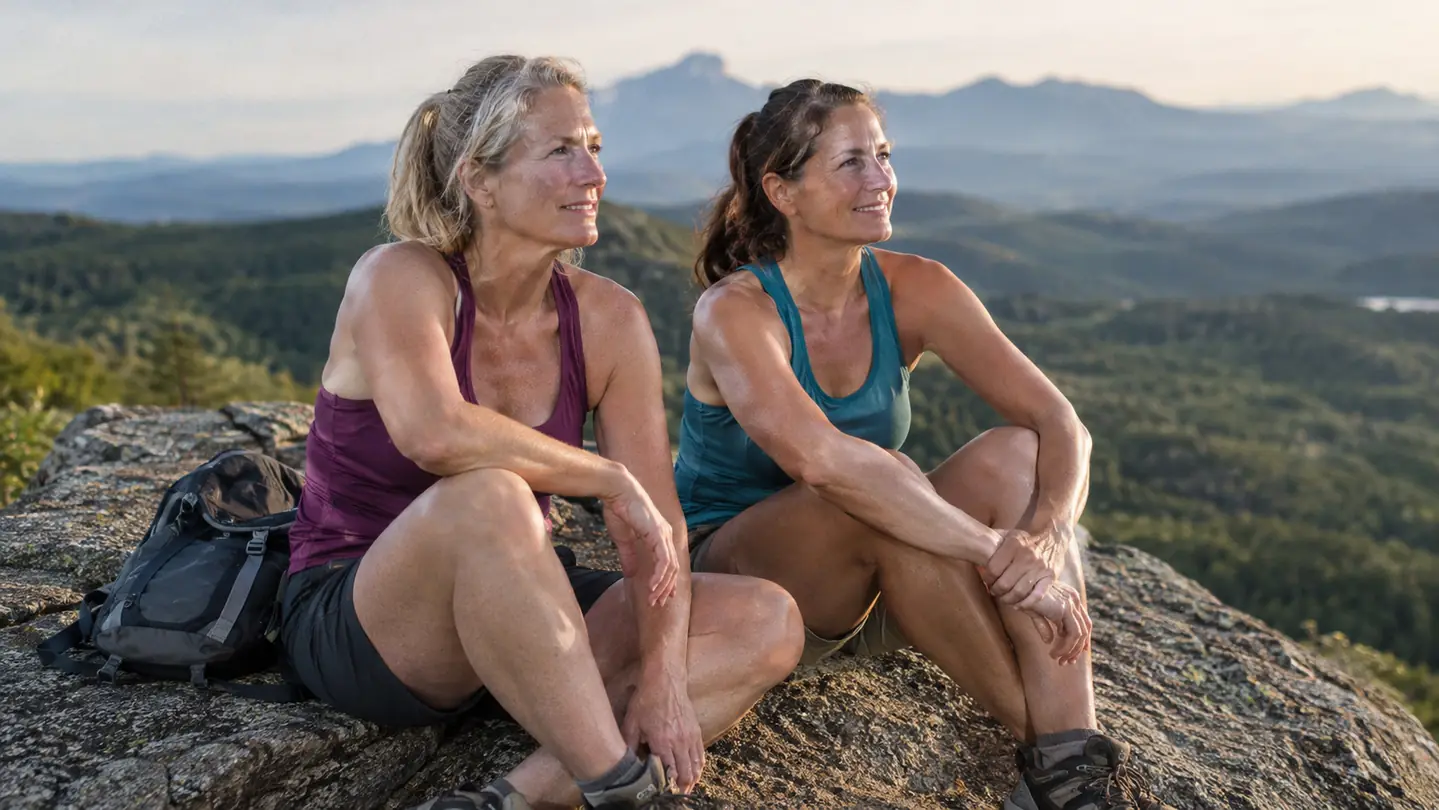
The best pack is the one that gets out of the car. Because the SKYSPER is light and easy to grab, I take it on short lunch-hour walks and full-day trips alike. Jen and I have used it on three weekend hikes this fall, and it has never once made me think about turning around early.
How I Pack It
The SKYSPER rewards a little planning. I put my rain shell at the bottom so it is there when I need it, water in the side pockets, and lunch and my camera in the main compartment. A small pouch on the inside holds my keys and a headlamp. The whole thing weighs next to nothing before I fill it, and that is the point.
How It Handled a Season of Trails
I have taken the SKYSPER out at least twice a week since early summer, on Chuckanut trails, in the North Cascades, and on a long weekend trip when Jen and I drove over to the Olympic Peninsula. The zippers still move smoothly, the straps have not stretched, and the fabric cleans up with a quick wipe. Nothing has broken, which is more than I can say for packs I paid more for.
What I Would Tell a New Hiker
If you are just starting to hike, do not buy the biggest pack you can find. Buy a simple daypack that fits, fill it with the essentials, and go. You will learn what you actually need by carrying it. The SKYSPER is a great first pack because it does not punish you for guessing wrong, and it will still be useful when you upgrade your other gear.
What I'd Skip
If you are planning multi-night trips with a bear canister, a sleeping bag, and a camp stove, this is not the pack for you. A 20 or 30 liter daypack is for day hikes and light overnight trips. I would also skip it if you want a padded laptop compartment or a built-in rain cover. For the hikes most of us actually do, none of that matters. For the ones that need real gear, you need a bigger bag.
The hip belt on the SKYSPER put the load on my hips instead of my shoulders, and my left knee noticed the difference on every descent.
The Bottom Line
The SKYSPER is not the pack for an expedition, and it is not trying to be. It is the pack I reach for when I want to be out the door and on the trail without a production. If you are tired of wrestling a heavy bag onto your back for a two-hour walk, this is worth a look. My knee, my sister, and my Subaru all agree.
A Lighter Daypack for Your Next Trailhead
If you are still hauling a heavy pack on trails that only ask for a day's worth of gear, this is the one to look at first. It is light, simple, and sized for the hikes most of us actually do.
Amazon Check Today's Price on Amazon →